
Boutique or large winery: which suits your Swan Valley visit?
By Petra Nathan · Updated 2026-09-15
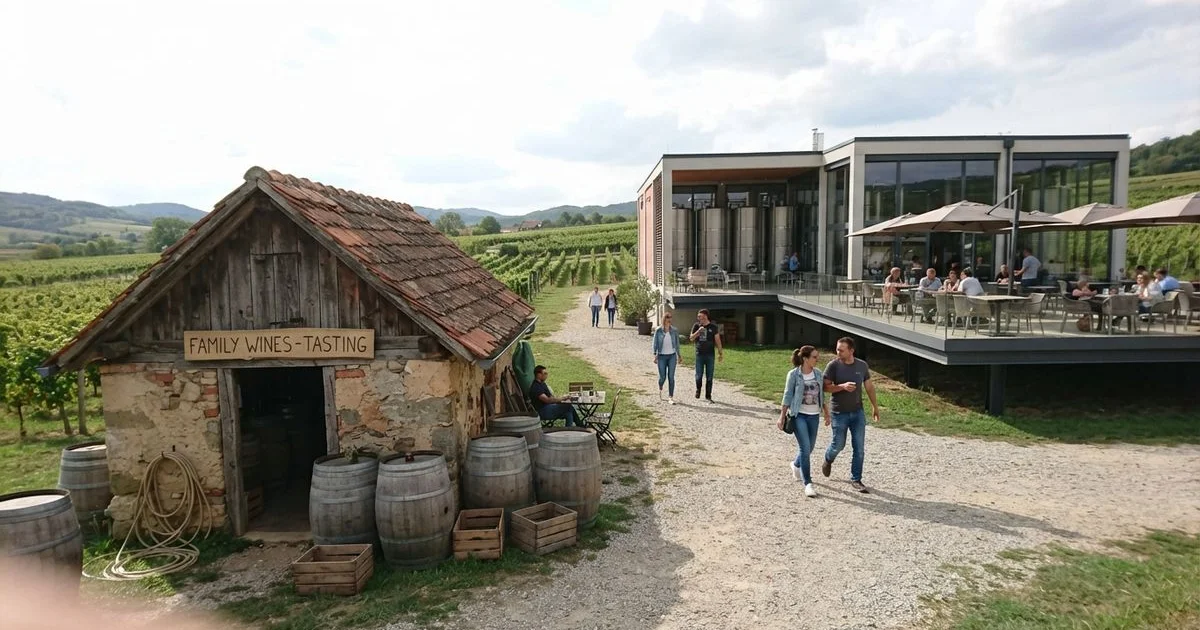
Swan Valley has everything from a one-room family cellar door to an estate with a restaurant, gardens and function space. Both styles can give you a great day. They just give you different days. This guide compares the approaches so you can choose by what you want, not by a vague sense of which is better.
The main differences
| Boutique or family-owned | Larger estate | |
|---|---|---|
| Pace | Quiet, personal | Busier, more varied |
| Who pours | Often the owner or a long-serving host | A rostered team |
| Wine range | Small batch, fewer labels | Wider range |
| Food | Platters or none | Restaurant or cafe more common |
| Groups | Limited space | Often better equipped |
| Extras | Character, stories | Gardens, events, play areas |
What reviewers actually praise
Across our corpus, family-owned character, knowledgeable and passionate staff, and a relaxed, unpretentious atmosphere keep appearing. Those are strengths of the smaller end. Beautiful grounds, gardens and views appear at larger estates too, along with art and cultural touches.
Complaints cross both sizes. Inconsistent service, booking surprises, dated interiors and unclear holiday hours turn up regardless of scale. So size does not predict quality. The venue’s habits do.
How to choose
Ask three questions.
- What is the day for? A quiet tasting with a bottle to take home points to a smaller venue. A long lunch with a group points to a larger one.
- Who is coming? Kids, dogs and mixed ages need space and facilities. Couples can be happy at a small counter.
- How much do you want to spend? Both ends can be good value, and both can overcharge. Check fees and prices before you commit.
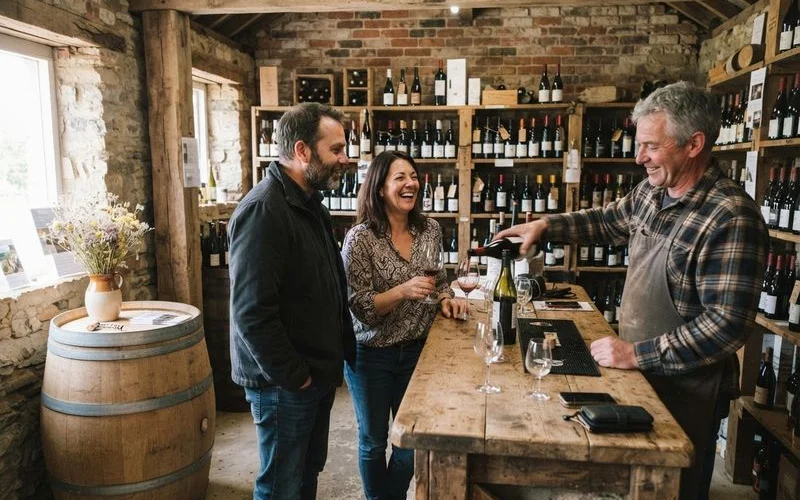
A mixed day works well
You do not have to pick one. A common plan is to start at a small cellar door for a personal tasting, then move to a larger estate for lunch. That keeps tastings short and lets the longer stop do the heavy lifting. Space your stops so you are not rushing or driving after a lot of wine.
The glossary explains what an estate-grown or single-vineyard wine is, which often helps when a boutique host mentions them. You do not need to memorise terms though. Ask the host to explain.
Finding boutique options
The boutique and family-owned wineries hub lists the smaller producers in the directory. Compare it with your plans and check each venue’s own page for hours and booking rules. If you start at a small cellar door, what to expect at a Swan Valley tasting covers the routine.
How we rate
We do not rank by size or by owner. Our methodology describes how scores are built from review signal, so a small venue with strong feedback can outrank a larger one. Start from the home page to browse everything.
This is general information. If you are drinking, arrange a driver.
FAQ
- Is a boutique winery better than a large one?
- Neither is better in general. Boutique wineries often offer a personal visit and small-batch wines, while larger estates tend to offer more space, food and facilities.
- Are family-owned wineries more expensive?
- Not necessarily. Our review data shows value for money praised across both styles. Price tracks the wine and the experience, not the size of the owner.
- Which is better for a big group?
- Larger venues usually cope better with groups, but call ahead either way. Small cellar doors can be crowded by a large party.
- Do small wineries have restaurants?
- Some do, many do not. Check what is offered before you plan lunch around it.